The Supplemental Nutrition Assistance Program (SNAP), often called food stamps, helps people with low incomes buy food. It’s a program run by the federal government but managed by each state. Sometimes, people wonder if they can get drug tested to receive these benefits. This essay will explore the topic of drug testing for food stamps, looking at which states have tried it, how it works, and what the outcomes have been. It is important to note that laws can change, so always look up the most current information.
Which States Have Tried Drug Testing?
Many states have considered or experimented with drug testing for food stamp recipients, but the actual implementation has been quite limited. Some states that have passed laws allowing drug testing for SNAP applicants or recipients include Florida, Kansas, and Mississippi. However, the specifics of these laws and how they are enforced vary a lot. Some states started testing programs but later stopped them due to legal challenges or because they found they were expensive and didn’t catch many people using drugs.
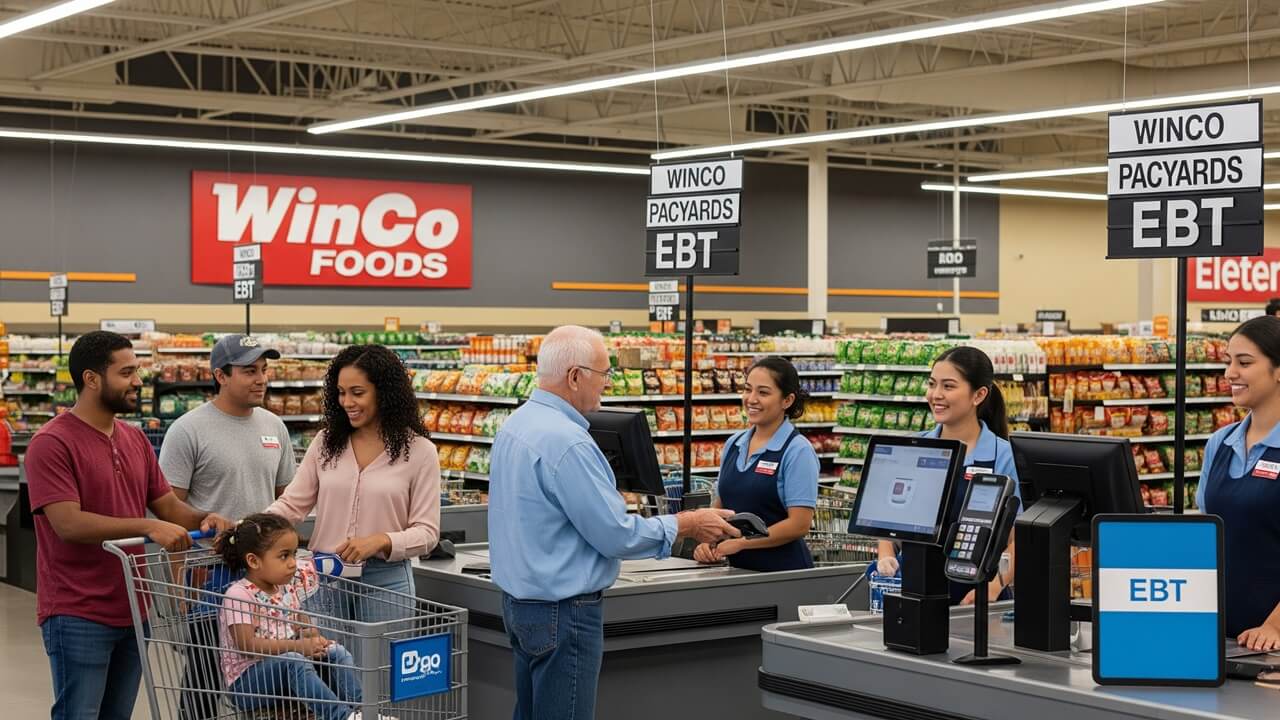
The main issue with these types of programs is that they can be expensive to run. They require staff, testing equipment, and also the cost of processing the results. These costs take away from the amount of money that the state has available to provide to the people that are in need of the SNAP program.
This also brings up a question of fairness. Should the government be allowed to search peoples private medical information and test them for drug usage just so they can qualify for food assistance? This is a complicated ethical debate. People on both sides of the issue feel very strongly about whether it is right or wrong to test food stamp recipients.
States also have to deal with possible legal challenges. If a state’s drug testing laws are considered unfair or violate a person’s rights, they can be challenged in court. Several states have had their drug testing programs challenged on these grounds, and some have even lost in court.
How Drug Testing Programs Work (Generally)
The way drug testing works in these programs changes depending on the state, but there are some similarities.
First, a state would need to make sure they have the legal right to perform the testing. Some states have implemented drug testing programs with these steps:
- Establishing criteria for who gets tested (e.g., based on suspicion of drug use).
- Notifying SNAP applicants or recipients about the testing requirement.
- Collecting samples (usually urine) from those selected for testing.
- Sending the samples to a lab for analysis.
- Receiving and interpreting the results.
- Taking action, such as denying benefits, for those who test positive.
The types of drugs tested for can vary too. Common ones include marijuana, cocaine, opioids, and amphetamines. The specific drugs tested will depend on the state’s policies and what drugs are considered a concern within that state.
It is important to note that the legality and execution of these programs are subject to change depending on court decisions, and any federal or state legislature.
The Arguments For Drug Testing
Supporters of drug testing food stamp recipients often have several reasons for their position. They believe that drug testing can help make sure that public funds are used responsibly and that people aren’t abusing the system. They think it’s a way to promote personal responsibility.
Many believe that requiring drug tests will push people to get treatment for drug addiction. The idea is that if someone tests positive, they may be offered help with their addiction, which could benefit them and the community.
Some people believe that the money for food stamps should be used for food, not drugs. They feel the money should be used to help people get back on their feet, not to fund drug habits.
These are some common points that are made in favor of drug testing. However, it is important to remember that this idea is often debated and is not always agreed upon by everyone.
The Arguments Against Drug Testing
There are many people who disagree with drug testing. They feel it is unfair, expensive, and doesn’t solve the main problem. They argue that testing people in poverty singles them out.
Critics often point out that drug testing programs can be very costly. They include the costs of the tests, lab analysis, and the staff needed to run the programs. These expenses could take away from the amount of funding available for the SNAP program.
Some people believe these programs violate people’s rights. They feel that people should have the right to privacy and the government shouldn’t be able to drug test them just because they need help.
Opponents also question whether drug testing is actually effective. They say that drug use isn’t the main reason for poverty and that testing doesn’t address the root causes of people’s need for help. Instead, they argue it is better to focus on programs that offer help and support without judgment. Here’s a quick comparison:
| Pros | Cons |
|---|---|
| Promotes responsibility | Expensive to run |
| Could encourage people to get help | Questionable effectiveness |
| Ensures funds are used for food | May violate rights |
The Results of Drug Testing Programs
Most of the states that have tried drug testing for food stamps haven’t seen the results they were hoping for. A lot of the tests have come back negative.
Many studies have shown that the rate of positive drug tests among food stamp recipients is similar to the rate in the general population. This means that drug use might not be as common as people think among those using SNAP.
When people do test positive, it can be hard to help them. States might not have enough money or programs to help them get into treatment. This can leave people without food assistance and without the help they need for their drug problem.
The outcomes of testing programs have often been disappointing. Here is a breakdown of the main outcomes:
- Low positive test rates.
- High program costs.
- Legal challenges that may shut down programs.
- Limited impact on drug use.
Legal Challenges and Court Cases
Drug testing programs have faced many legal challenges. The main argument is that these programs violate the Fourth Amendment of the Constitution, which protects people from unreasonable searches and seizures.
Some courts have agreed with this argument, saying that drug testing without reasonable suspicion is against the law. States that want to drug test must be very careful about how they design and run their programs.
These legal battles have often led to the end of drug testing programs. States have had to stop testing because they lost in court or because they knew they were likely to lose.
Here’s a look at some key legal issues in drug testing cases:
- Unreasonable Search and Seizure: Is drug testing an unreasonable search?
- Privacy Rights: Does drug testing violate a person’s right to privacy?
- Equal Protection: Does testing unfairly target people?
- Due Process: Are people given fair warning and a chance to defend themselves?
Conclusion
In conclusion, the topic of drug testing for food stamps is complex and controversial. While some states have tried implementing these programs, the results have often been disappointing. The programs often face legal challenges and may not be very effective. The debate over drug testing highlights the challenges of balancing government assistance with individual rights and responsible use of public funds. Ultimately, any changes to these programs will depend on legal rulings, public opinion, and whether the states can make sure the programs are fair, effective, and legal.